
Septic Service Scheduling Tips
Septic service scheduling depends on various factors including usage, tank size, and local regulations. Regular maintenance helps prevent system failures and costly repairs. Typically, inspections and pump-outs are recommended every 3 to 5 years, but this can vary based on household size and water usage.
Seasonal considerations also influence the timing of septic service. Performing maintenance during milder weather can be more convenient and effective, especially in areas with extreme temperatures. Proper timing ensures the septic system functions efficiently and reduces the risk of backups or system failure.
Regular inspections help identify potential issues early and extend the lifespan of the septic system.
Pump-outs are typically recommended every 3 to 5 years, depending on usage and tank size.
Scheduling service in spring or fall can avoid peak usage times and ensure optimal system performance.
Slow drains, odors, or pooling water near the tank indicate the need for immediate service.
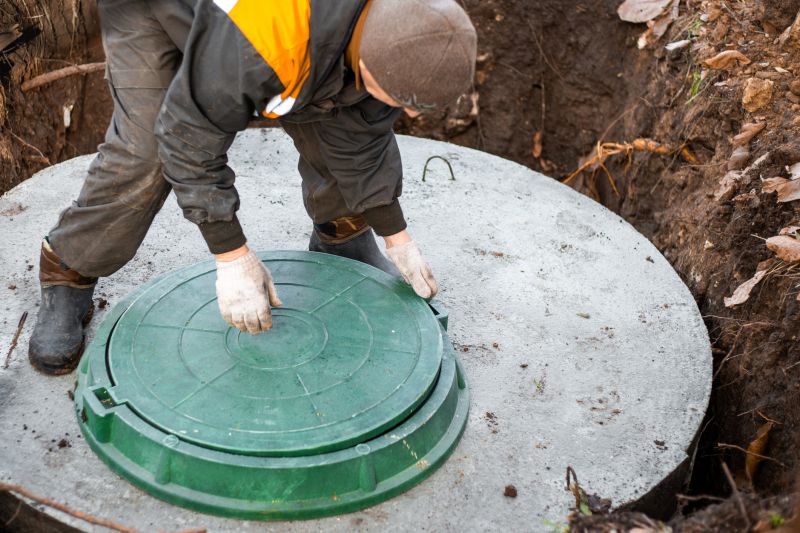
Technicians examine the tank and system components for optimal operation.
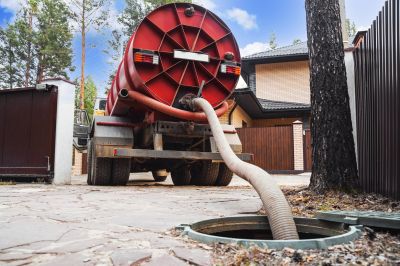
A septic service vehicle performs pump-out and cleaning procedures.
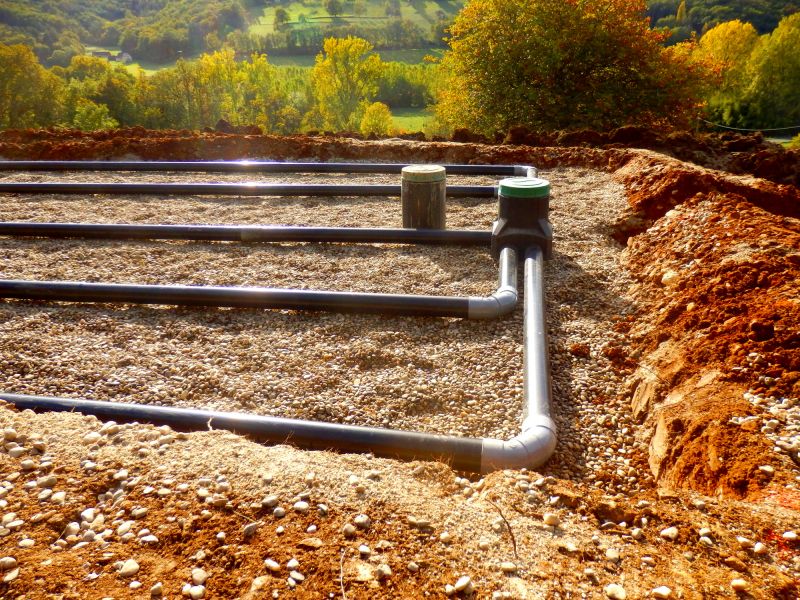
Diagram showing tank, drain field, and distribution box.
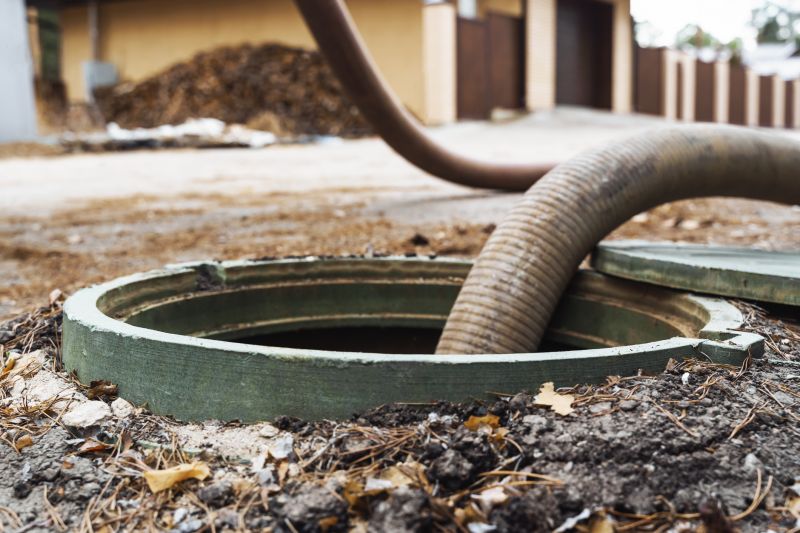
Ways to make Septic Service work in tight or awkward layouts.

Popular materials for Septic Service and why they hold up over time.

Simple add-ons that improve Septic Service without blowing the budget.
| Season | Recommended Septic Service Activities |
|---|---|
| Spring | Inspection and pump-out after winter usage |
| Summer | Routine checks during peak water usage |
| Fall | Preparation for increased household activity |
| Winter | Limited activities; focus on inspections if necessary |
| Rainy Season | Monitor for backups and drain field issues |
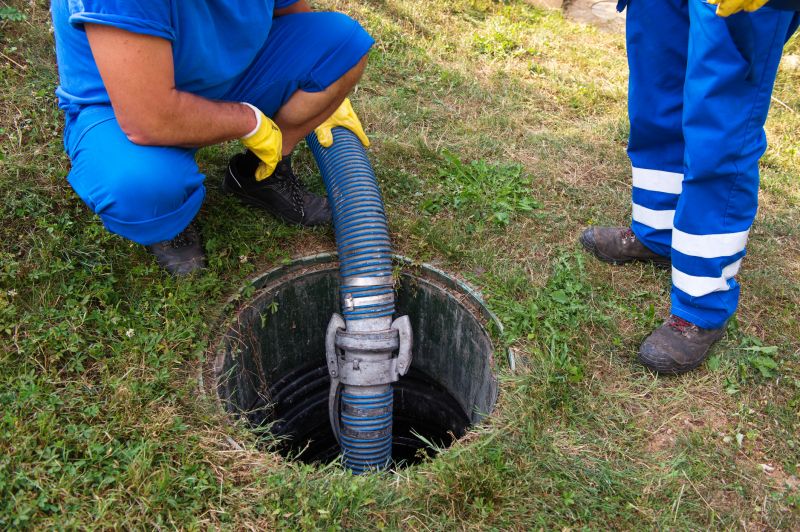
Technicians performing routine septic system checks.
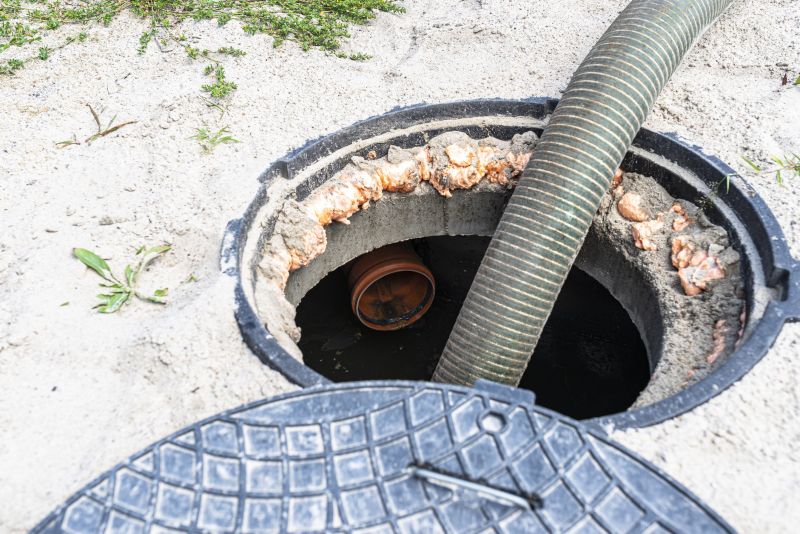
Close-up of drain field and tank access points.
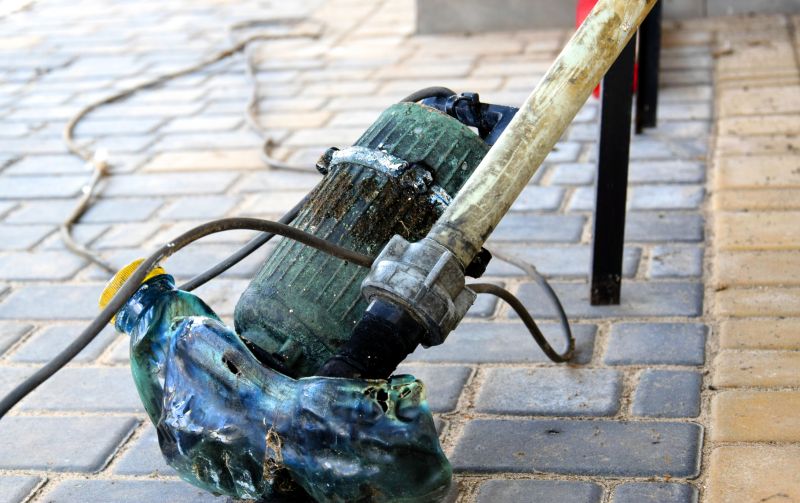
Specialized machinery used for efficient pump-outs.
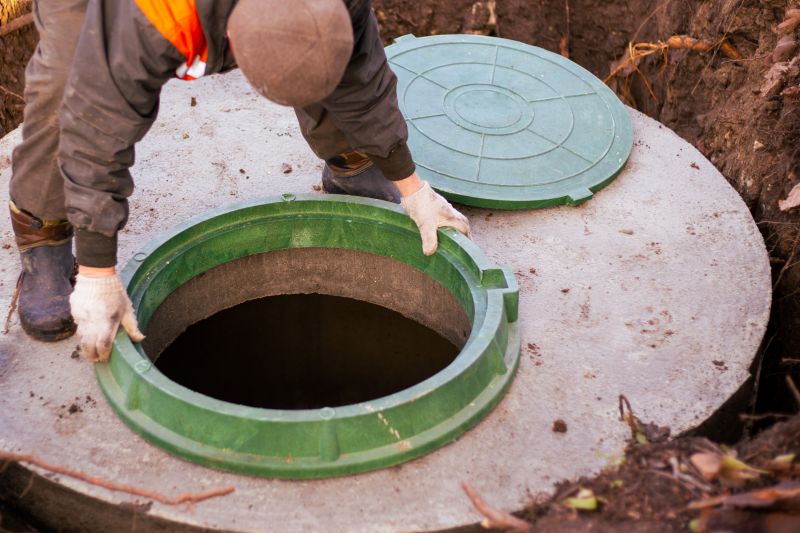
Septic tank installation in a Green Valley property.
Proper timing of septic service is essential for maintaining system efficiency and preventing costly repairs. Regular inspections and pump-outs help identify potential problems early and ensure the system operates smoothly. Seasonal considerations and usage patterns should guide scheduling to optimize performance and longevity.
For those interested in scheduling septic service or seeking further information, filling out the contact form is recommended. Professional technicians can assess individual needs and recommend the best maintenance schedule for specific properties.